
What to expect from a property refurbishment
Refurbishment is a different discipline from extending. What a full refurbishment involves, the order the work happens in, and where the costs and surprises come from.
8 min read
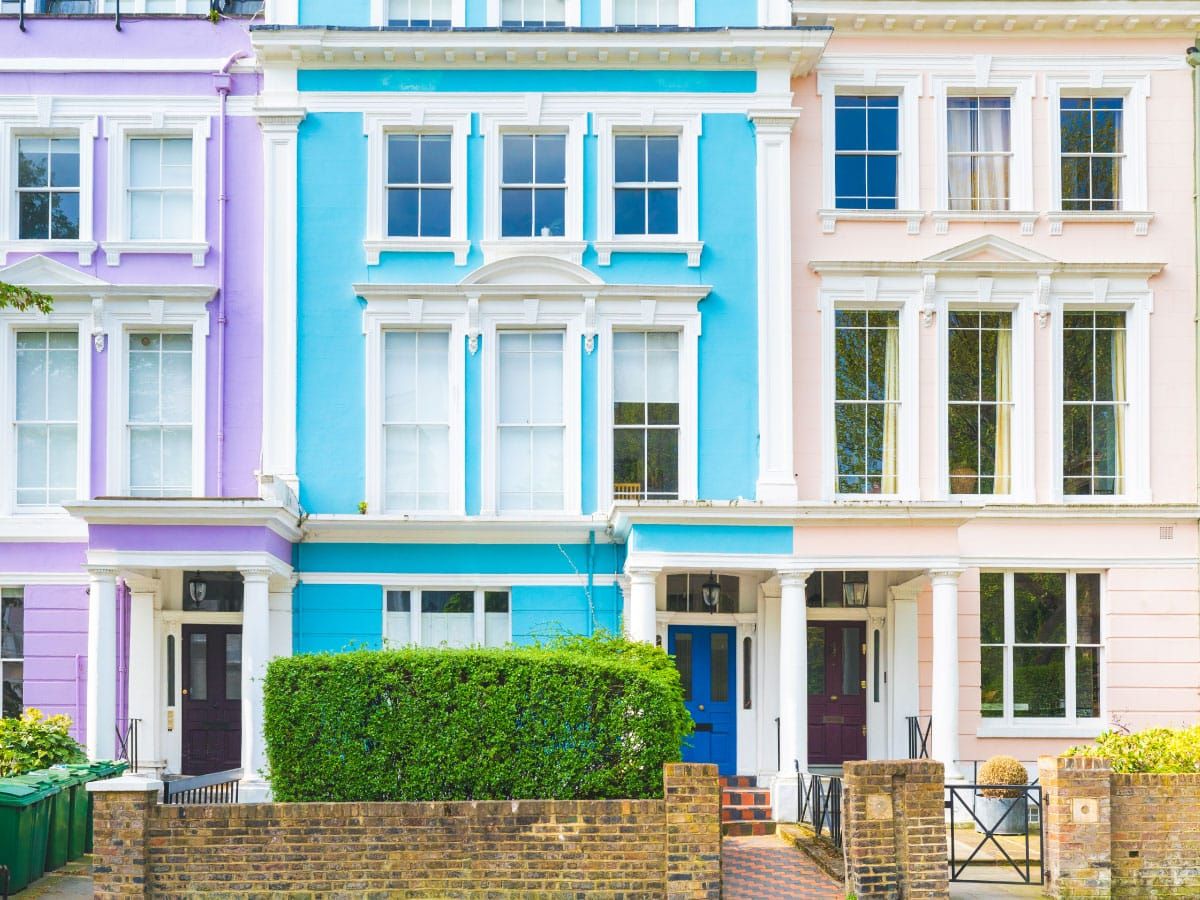
Refurbishment is not a smaller version of an extension. An extension is largely new work built in a known sequence. A refurbishment is a series of decisions about what to keep, and until the plaster and floors come up, nobody knows the full extent of what needs doing. That difference explains almost everything about how these projects run.
What "refurbishment" actually covers
The word is used for anything from redecorating to rebuilding everything but the external walls. It helps to be specific about which of these you mean:
- Cosmetic refurbishment — decoration, flooring, kitchen and bathroom replacement, with services left are
- Full internal refurbishment — the above plus rewiring, replumbing, replastering, new heating and often some reconfiguration of walls
- Structural refurbishment — removing or moving load-bearing walls, underpinning, roof replacement, structural timber repair, damp and rot remediation
- Landlord refurbishment — bringing a property up to a lettable, compliant standard efficiently, driven by regulation and turnaround time taste
The cost per square metre between the first and third of these differs by a factor of several. Establishing which one you are commissioning is the first conversation to have.
The survey is the most important stage
On a refurbishment, the survey earns its money. Before any programme or fixed price is meaningful, the following need to be understood:
- Age and condition of the electrical installation, and whether the consumer unit and earthing are compliant
- Condition of the plumbing and heating, including whether pipework is steel, copper or plastic
- Presence of damp, and crucially whether it is rising, penetrating or condensation, because the remedies are entirely different
- Timber condition — rot in floor joists and window frames, and any evidence of infestation
- Roof covering, flashings and rainwater goods
- Whether walls that look non-structural actually are
- Presence of asbestos in properties built or altered before 2000, which must be tested for and removed under controlled conditions
- Insulation levels and window performance
An honest survey produces a longer list than most people expect. That list is not a builder inflating a job; it is the difference between a fixed price that holds and one that does not.
The order the work happens in
A full refurbishment follows a fairly strict sequence, and it cannot be reordered for convenience:
- Enabling and protection — scaffolding, waste management, protecting anything being retained
- Strip-out — removing finishes, old services, kitchens and bathrooms back to the structure
- Structural work — steelwork, openings, roof repairs, underpinning, timber replacement
- First fix — all the wiring, pipework, drainage and ductwork that will be buried in walls and floors
- Plastering and screeding — followed by a genuine drying-out period, which cannot be rushed
- Second fix — sockets, switches, radiators, sanitaryware, doors, skirtings, kitchen installation
- Decoration — including mist coats on new plaster
- Flooring, testing and certification — electrical certificate, gas safety, building control sign-off
- Snagging and handover
The two stages people underestimate are drying out and snagging. New plaster and screed need time before decoration, and rushing it produces cracking and failed paintwork. Snagging is not optional padding at the end; it is where a refurbishment either feels finished or does not.
Where the money goes
Broadly, on a full internal refurbishment:
- Services — rewiring, replumbing and heating — are usually the single largest hidden cost, and produce no visible change
- Kitchens and bathrooms carry the widest possible price range, entirely driven by specification
- Plastering and decoration cost more than expected because they cover every surface in the property
- Structural work is unpredictable until things are opened up
- Waste disposal on a strip-out is a real line item, not a rounding error
Set aside a contingency of ten to fifteen per cent on a refurbishment — higher than for an extension, because there is more that cannot be seen in advance.
Regulations you cannot skip
- Electrical work must be certified under Part P
- Gas work must be carried out by a Gas Safe registered engineer
- Replacement windows must meet current thermal standards
- Structural alterations require Building Regulations approval and inspection
- Asbestos removal is subject to specific control requirements
- Rented properties must meet the minimum EPC standard and current safety regulations
Living in it, or not
Full refurbishments with the services disconnected are very difficult to live through, and trying to do so usually costs more than moving out, because the work has to be phased around occupation. If the project includes rewiring and replumbing, plan to be elsewhere. Cosmetic and room-by-room refurbishments can be phased with the household in place.
Realistic timescales
- Cosmetic refurbishment of a typical three-bedroom house: four to eight weeks
- Full internal refurbishment including services: twelve to twenty weeks
- Refurbishment with significant structural work or a period property: five to nine months
What good looks like
A well-run refurbishment has a written schedule of works listing room by room what is being done, a payment schedule tied to stages rather than dates, one person coordinating every trade, and a documented handover pack with all certificates. If any of those four are missing, the project is being run on optimism.
Kasco Builders manage full property refurbishments and house renovations across Middlesex and the M25 corridor. Get in touch for a survey and fixed quotation, or read our guide on planning a home extension if your project also involves adding space.